How I Can Find Private Fine Art Agents in Florida
Observe the Right Agent or
Website for Your Art
Q: Where can I notice a list of art agents who represent artists? Trying to create art and market myself is way as well frustrating. Searching online, listing my art on these big art websites, and constantly posting about my work on social media is not only time consuming, but can too get expensive in terms of having to pay fees for sure sites, advertizing, or services. What am I actually signing upward for? Will my images be protected? I'm having trouble getting shows at art galleries. Tin can yous help?
A: That's a total-plate agenda there and one that many artists discover themselves in. Selling art is difficult enough, even when someone's doing it for you, but artists without representation or agents, every bit you seem to exist looking for, can observe the task of selling their art especially hard. The good news for you and all artists is that everyone now has more online options than ever for presenting and selling their fine art, particularly selling direct on socials like Instagram and Facebook, through storefronts, and on big artist websites.
As for the way you are going about things, randomly contacting people about selling your art for yous or looking for agents or other reps, is not the best approach. For 1 affair, you have to know who your sending as well. If you don't know, y'all can find yourself in all kinds of tricky situations like paying for naught, getting roped into oppressive contracts, and more. The following suggestions will assistance you lot to navigate the art world maze and decide on the best options for selling your art.
But first permit's talk well-nigh these then-chosen fine art agents. I've been in and around the business organisation for 40 years now, and later all that time, I'grand still not sure such a job championship exists. In my feel, an "artist agent" is pretty much the same as an art gallery or dealer except perhaps that someone calling themselves an amanuensis might be doing business privately or non from a permanent location. Merely then once again, these people more often than not refer to themselves as private dealers or art consultants, and not agents. In fact, I'm non sure I can retrieve a time when I've heard someone specifically refer to themselves as an artist agent.
Agents exist in other areas of the arts-- literary agents and music agents, for example. Simply these two fields are very different from the art business. To begin with, literary and music agents deed as intermediaries between writers or musicians and publishing or recording companies, not retail book or music buyers. Essentially, they negotiate and secure publishing rights for books and music. The publishing companies take it from there. Art galleries typically sell to retail buyers; agents don't.
Another major difference between art dealers and music or literary agents is that a book or anthology has the potential to sell thousands, tens of thousands or fifty-fifty millions of copies whereas fine art is generally sold piece-by-piece. In other words, opportunities for generating pregnant income from large numbers of sales are much greater in book and music businesses than they are with art.
Regardless, many artists cling to the fantasy that not only do these hypothetical art agents be, but also that they're entirely different from galleries, are easier to get than gallery shows or representation, and the nearly ridiculous office-- that they are somehow capable of selling fashion more art than galleries. None of this is truthful. Where these ideas come up from I accept no idea. Whether fine art agents actually exist or not, the chances of getting shows or other forms of representation with a gallery or anywhere else-- whatever you want to call them-- are basically the same-- low. So keeping that in mind, allow's take a look at some other means to become where you want to go. Or yous can read more about artist agents and managers here.
No thing who you decide to call, email, DM or otherwise contact nigh showing or representing your art-- dealer, agent, consultant, representative or gallery-- 3 of the most of import things to discover out in advance are whether they stand for artists like to yourself, have experience selling the types of art you make, and sell that art on a regular basis. Regarding individuals (non galleries) who say they represent artists in various means, evaluate their qualifications not only past speaking with them and reviewing their resumes and sales experience, but besides past speaking with at least 2 or three artists who they correspond-- only like you would practice with a gallery. Y'all'll go the most accurate information from artists who make art similar to yours, sell in our price range, and accept comparable resumes.
If yous've never had representation-- agent, gallery or otherwise-- and don't take a lot of experience exhibiting, all-time process is to search locally for opportunities in the community or region where you live. Looking for out-of-boondocks representatives or galleries major art markets like New York or Los Angeles or any other faraway location makes niggling sense if you lot don't live there, are just starting out, and don't yet accept an established reputation. The competition from artists who already live and work in there is way too peachy. The overwhelming majority of successful artists begin past establishing reputations where they alive and and so branching out from there.
The other role of the solution is to get agile on social media, particularly Instagram and Facebook, and put your fine art out in front of the public on a regular ground. Hopefully, you take your own website where yous can do this equally well. Even though increasing numbers of artists recollect websites are unnecessary, and instead rely entirely on social media to present their fine art, having your own personal website where you command the show is definitely recommended. Social media platforms can change their formats, algorithms, or rules at anytime, and these changes can sometimes negatively impact artist'south profiles or followings.
Read How to Present and Sell Art on Instagram and How to Sell Fine art on Facebook to acquire more than well-nigh presenting and selling your art on social media. Briefly, if you practise a good, consistent convincing task of presenting your fine art, increasing numbers of people take interest in your piece of work and your post-obit will abound. And don't think for a second that these are simply lookers. They likewise include dealers, galleries, consultants, collectors, writers curators, major art websites, and other fine art globe professionals. They're looking for new and exciting art stars on social media just like everyone else.
A couple of don'ts: First and foremost, be very careful nigh getting involved with anyone who wants money in accelerate to evidence, sell, post, write about, or otherwise represent your fine art. If you think about information technology for a minute, paying someone in advance actually gives them LESS incentive to sell your fine art rather than more. Why? Considering they've already been paid. In fact, it may fifty-fifty requite them more incentive to sell nothing so they tin can enquire for more coin in gild to continue representing y'all (while standing to sell nix but telling you that interest is at that place). The mode the conventional fine art globe and conventional galleries work is that if they truly believe in your art (and in their ability to sell it), showing and selling it is how they'll brand their money. They don't ask artists for coin up front. They sell the art get-go, take their commissions, and then pay the artists the residue.
On the contractual side, go on initial arrangements or agreements with any new gallery you work with to a maximum of 1 yr, but preferably somewhat less. You don't desire to go roped into exclusive long-term agreements with anyone who turns out not to be able to sell your art, and then have to fight or even purchase your way out of oppressive agreements. Once someone starts selling for you and selling well, and then think about extended contracts. Even so, extend the agreements gradually, not all at once. You lot want to be certain that you work well together and that sales are likely to continue before going longterm.
Searching for art websites where you tin can show and sell your art is similar to looking for "agents" or galleries. If you decide to go in that direction, look for websites that sell the type of art yous make. Before signing on, inquire for sales data in advance showing that if you list with them, your art has a reasonable chance of selling. The large bulk of successful art websites charge for posting your fine art or for setting up galleries or storefronts, so being reasonably confident that they can sell once you pay is important. A number of fine art sites also offer gratis galleries, but they're usually pretty minimal in terms of options for presenting and selling your piece of work.
Have any prospective art website provide names and contact information for several of their artists who brand and sell fine art similar to yours. Better yet, locate those artists yourself. Contact them and detect out how satisfied they are with the website's performance and how well they're selling. In addition, request data from websites themselves on how much art they sell, what types of fine art sell best, and what price ranges that art tends to sell in. For example, a website may generate a large number of sales, only if you're an American artist who paints watercolors of flowers, and the majority of the site'southward revenues come from selling landscape, seascape, and effigy paintings, you're probably not going to sell much.
Another point to continue in mind is that the large fine art websites show thousands of works of art by hundreds of artists, and sometimes much more. But calculating the odds, the chances of someone buying a work of yours might exist one in thousands, one in tens of thousands, or fifty-fifty less. Before contracting with such a website, spend plenty of time on the site looking around, evaluating the quality of art and artists you lot'll be competing against, and realistically assessing your chances of selling successfully.
Also notice out what options these big websites offer for increasing your online profile such equally featuring your gallery, placing images of your art on their main pages, and so on. Iii websites you might want to cheque out are Etsy, UGallery, and Saatchi Online, but there are plenty more options than those. If selling at auction is something you've been thinking nearly, eBay is an additional platform worth because. You lot've got to learn the ropes on eBay though because selling at sale is dissimilar than selling at fixed prices. Some artists exercise sell well in the auction arena.
Regarding copyright issues, know that your fine art is automatically copyrighted and automatically protected confronting infringement by others. Continually policing the Internet against unauthorized apply of your online images is hard and time consuming, and actually not worth the effort unless you hear that someone is clearly copying, reproducing and selling your art for profit without your permission. In most cases, you lot want your images to exist shared and talked nigh on equally many websites and social media platforms every bit possible (as long as people aren't reproducing them without your permission in order to make money for themselves). That's how new people discover you be. For additional legal protections, y'all tin always register your copyrights. Notice out more by reading Copyright Registration Law and Your Fine art, Pros and Cons of Registering Your Fine art.
As long as anyone posting images of your art gives you proper credit, be thrilled and delighted that they recollect information technology's worth posting. Letting images of your work circulate freely is a great way to get known, especially when those who postal service them have skillful online profiles or large followings. At the same time, in that location's nothing wrong with doing occasional online searches to make certain images of your art aren't being reproduced without credit or sold without your permission. But never use copyright worries as an excuse to not mail your art online or to continue others from posting it. Think that your fine art is your business card. The more people who encounter it, whether in person or online, the greater your chances for ultimately increasing your fan base, getting shows, and making sales. People hardly always buy art without existence able to see plenty of examples of it first, so do whatever you tin to maximize the chances of them seeing... and of them buying.
***
Need to know more about how to approach galleries or become exposure for your art? I piece of work with artists all the time on ways to effectively organize and present their art. I also advise on getting their fine art in forepart of the public both online and at physical locations. If you're interested in my consulting services, take any questions or would similar to brand an engagement, yous can achieve me at 415.931.7875 or alanbamberger@me.com.
***
Is a gallery offering y'all a show? Does someone want to rep your art? Entering into a business organization human relationship? Signing a contract? If you answered aye to any of those questions and you're not quite sure how to proceed, read Common Artist Legal Problems and How to Avoid Them.
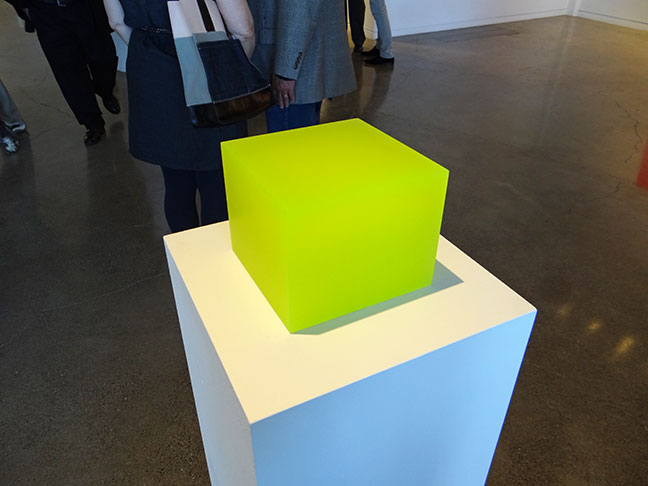
(sculpture by Peter Alexander)
Source: https://www.artbusiness.com/agentfind.html

Post a Comment for "How I Can Find Private Fine Art Agents in Florida"